


From Cash to Clicks: How Digital Money Is Changing Everyday Life

The Shift We Didn’t See Coming
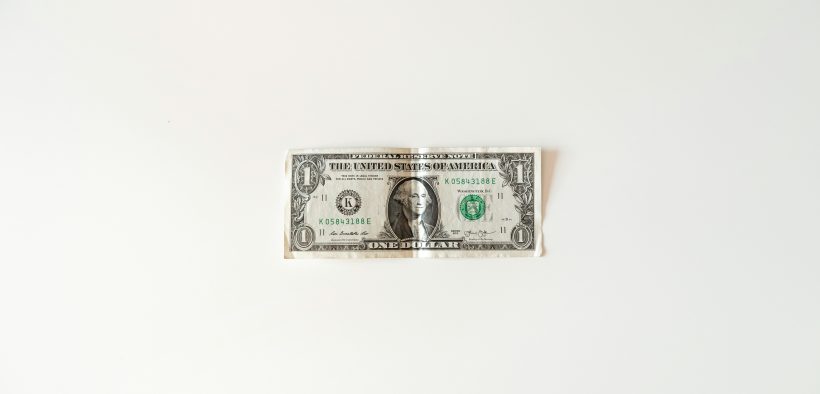
Not long ago, paying for something meant pulling out cash and counting it piece by piece. Today, most people shop, travel, tip, and split bills without touching a single coin. The transition wasn’t loud or dramatic, but once it started, it reshaped everyday habits. What used to sit in your pocket now lives on your device. From mobile banking to digital transfers and tools like a bitcoin wallet, money has become less of a physical object and more of an interface we interact with.
How Everyday Payments Became Invisible
Think back to the last time you handed someone cash. For many, it’s becoming uncommon. Whether ordering food, taking a ride, or paying for a subscription, the process is nearly frictionless. Digital payment systems removed the clunky parts of daily transactions—no counting change, no trips to ATMs, no fumbling for coins. But convenience came with a side effect: spending became almost too easy.
The Psychology of Tapping Instead of Paying
Handing over cash creates a sense of departure—you feel the loss as bills leave your hand. Digital payments strip away that moment. A tap or scan replaces the physical sensation of making a purchase. Some enjoy the speed and simplicity, while others struggle to keep track of how much is flowing out. This emotional distance is one of the most overlooked impacts of the digital shift.
Financial Independence in a Digital World
For many people, digital access has made managing money easier and faster. Online banking provides users with control over transfers, savings, and planning, eliminating the need for paperwork or appointments. Entire generations rarely step inside a traditional bank. For freelancers, travelers, and small business owners, digital tools aren’t conveniences—they’re essential.
The Role of Global Payment Tools
Money no longer stops at national borders. Someone can send funds internationally in seconds without stepping into a physical institution. In some regions, digital payments make economic participation possible for those excluded from traditional banking. In others, it’s a preferred alternative to outdated systems.
The Rise of Digital Ownership
One of the biggest cultural shifts is where people now store value. Instead of keeping cash tucked away at home, many rely on apps, mobile banks, or crypto platforms. A bitcoin wallet doesn’t sit in a purse or back pocket—it lives on a device. Even those who don’t consider themselves investors often explore digital assets out of curiosity or practicality.
Why People Are Exploring Alternatives
People don’t turn to digital currency for one single reason. Some want faster access to funds. Others like the freedom of fewer intermediaries. Some experiment with new systems that offer different kinds of control. Millions of users have opened or interacted with a Bitcoin wallet at some point, even if only to understand the hype.
Culture, Identity, and How We Pay
Spending was once a private action. Now, how we exchange money often reflects identity, values, and community. People send tips through apps, support creators online, and split costs instantly. How we pay says something about who we are and how we connect.
Social Payments and Modern Etiquette
A new set of norms has developed around digital transactions. Paying someone back quickly isn’t just polite—it’s expected. Hardly anyone asks, “Do you take cash?” anymore. They ask which platform you use. What changed isn’t just behavior—it’s tone, timing, and social responsibility.
When Technology Becomes the Norm
Digital payment systems are no longer seen as experimental—they’re standard. Children watch adults scan codes instead of writing checks. Street vendors accept contactless taps. Schools process fees online. What once felt futuristic is now built into daily life.
The Disappearing Physical Wallet
For many people, a traditional wallet is becoming unnecessary. IDs, cards, and passes live on phones. Some leave the house with nothing but a device. The conversation has shifted from “if” digital money will dominate to “what’s next.”
Access and Anxiety in the Digital Economy
Still, not everyone is completely at ease. Some fear data leaks or outages. Others worry about losing access due to technology gaps or account vulnerabilities. And the more invisible money becomes, the easier it is to feel detached from where it’s going.
Finding Trust in the System
Despite mixed feelings, people keep adapting. They secure their devices, monitor spending through apps, and diversify how they store value. Having options—whether through a mobile bank, payment platform, or bitcoin wallet—gives people a sense of agency. Digital money hasn’t just replaced physical currency; it’s added new layers of choice and responsibility.
The Personal Side of a Global Change
While institutions talk about innovation and digital infrastructure, the most meaningful changes are personal. People remember the first time they bought something online or sent money across the world in seconds. These everyday experiences add up and shape how we live and relate to money.
What We Carry Has Changed, But the Meaning Hasn’t
Money still represents work, independence, and opportunity. The difference lies in how we access it, move it, and share it. The language around it has evolved, and the way we interact with it feels lighter and faster. But the emotional weight hasn’t disappeared—it just lives in a different form.


